
Transportation Engineering + Planning
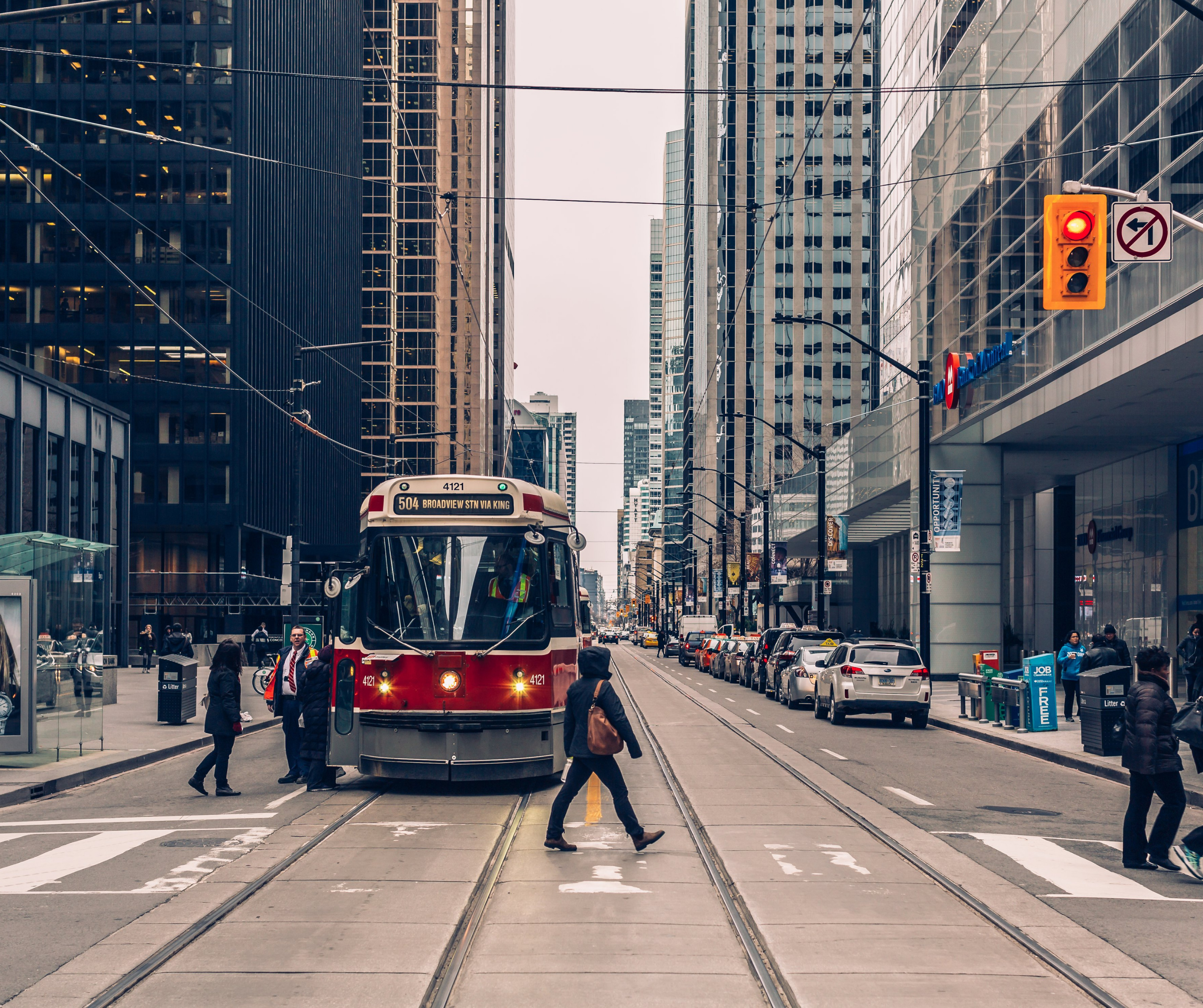
Transportation Engineering and Planning at U of T combines scientific analysis and the use of technology to inform the planning, functional design, operation and management of transportation infrastructure and monitoring systems. Our researchers work collectively and collaboratively under the umbrella of the University of Toronto Transportation Research Institute (UTTRI) and its affiliated research clusters.
Affiliated Institute
University of Toronto Transportation Research Institute
UTTRI is a new initiative of the Department of Civil Engineering at the University of Toronto. Through UTTRI, both the Department and the University aspire to take a lead role in contributing to the development of liveable, sustainable, healthy and prosperous city regions, beginning with our own Greater Toronto and Hamilton Region. Building upon our research expertise and working relationships with both the public and private sectors, UTTRI will bring the considerable depth and breadth of University of Toronto research to bear on real-world urban transportation problems.
Related Faculty
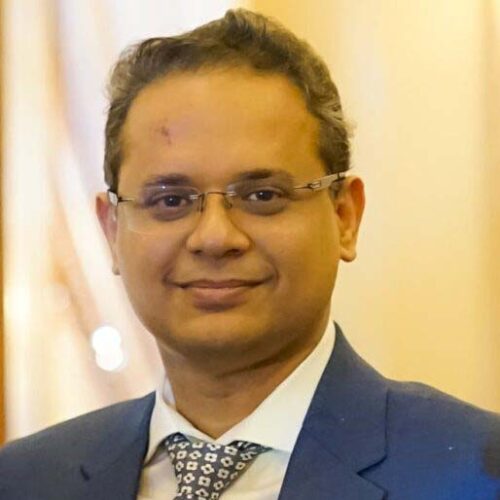
Khandker Nurul Habib
ProfessorIntegrated Land Use and Transport Modelling: Sustainable transportation and land use planning and evaluation of planning/policy options
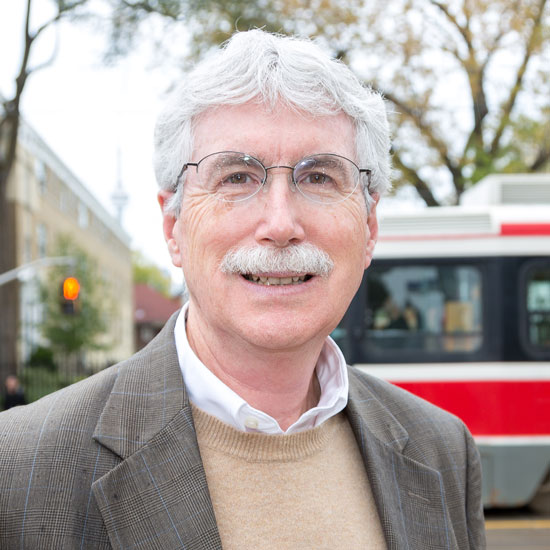
Eric Miller
ProfessorIntegrated Land Use and Transport Modelling: Development and application of microsimulation modelling systems within large urban contexts
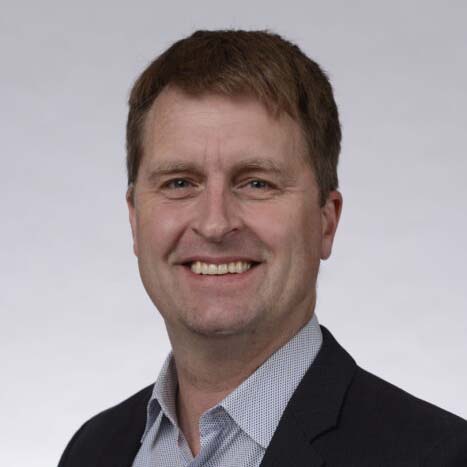
Matthew J. Roorda
ProfessorFreight Management: Urban freight data analysis and modelling; freight optimization; passenger transportation analysis
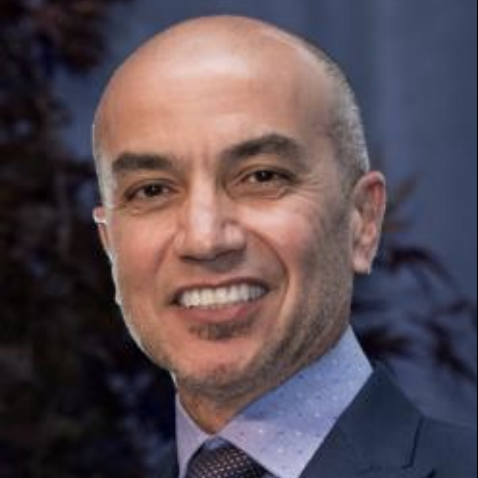
Baher Abdulhai
ProfessorTraffic Management: Intelligent transportation systems/emerging technologies in transportation
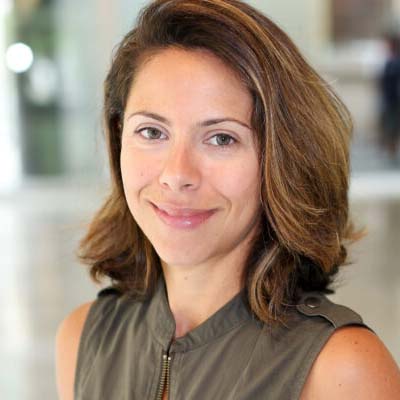
Marianne Hatzopoulou
ProfessorEnvironmental Analysis: Traffic-related air pollution/urban air quality; transportation engineering
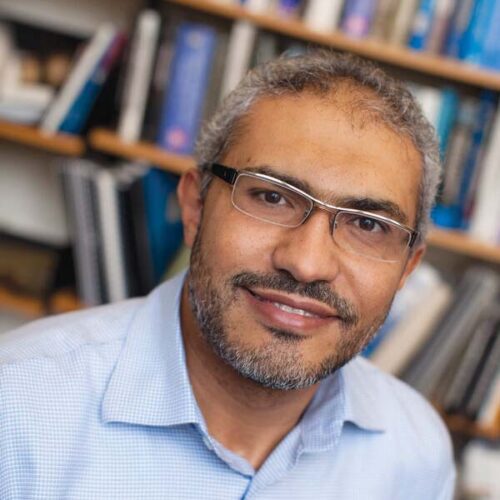
Amer Shalaby
ProfessorPublic Transportation Operations and Planning: Development of intelligent transportation systems